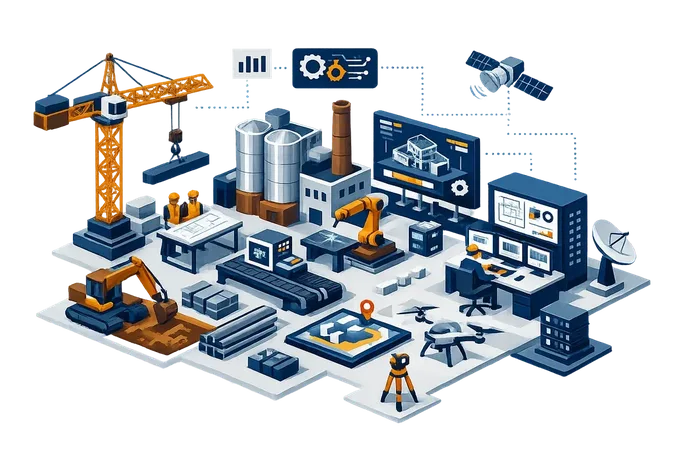
Procurement that keeps pace with the project schedule.
Project-based sourcing, subcontractor qualification and contract obligation tracking - so material and subcontractor delays don't become the critical path.
What are the biggest procurement challenges in construction and EPC projects?
Construction and EPC procurement must coordinate large volumes of materials, equipment, subcontractors, engineering requirements, project timelines, and commercial commitments. Procurement teams often manage project-specific sourcing, multiple suppliers, long lead-time items, changing specifications, and geographically distributed operations. A digital procurement platform can connect project demand with sourcing, supplier management, purchase orders, contracts, and spend visibility. This helps procurement and project teams improve coordination, control purchasing activity, and maintain better visibility into commitments throughout the project lifecycle.
How can construction companies improve procurement for project-based purchasing?
Project-based procurement requires visibility into what is needed, when it is needed, where it is required, and which supplier or contract should fulfil the requirement. Procurement software can connect requisitions to projects, cost centers, categories, budgets, and approval workflows. Strategic sourcing teams can standardize RFQs and supplier evaluations while allowing project-specific requirements to be managed within controlled workflows. This supports better cost control, reduces fragmented purchasing, and helps procurement teams align sourcing decisions with project schedules and commercial objectives.
How can EPC companies manage supplier and subcontractor risk?
Supplier management processes should include structured onboarding, qualification, documentation, compliance checks, performance monitoring, and ongoing reviews. A procurement platform can centralize supplier records and create visibility into qualification status, contract obligations, performance history, and risk indicators. This helps EPC procurement teams make more informed sourcing decisions and identify supplier issues earlier, particularly for critical equipment, specialist subcontractors, and project-critical materials.
How can procurement automation reduce delays in construction procurement?
Construction procurement often involves multiple stakeholders, including project managers, engineers, procurement teams, finance, legal, and senior approvers. Manual approvals and email-based coordination can create delays and reduce visibility. Procurement automation can route requests based on project, category, value, budget, and approval authority. Automated workflows can support requisitions, sourcing events, purchase orders, approvals, supplier communication, and contract processes. This helps procurement teams create more predictable workflows while maintaining governance over project-related purchasing.
How can construction companies control project procurement spend?
Spend visibility is essential for monitoring project budgets, commitments, supplier costs, and purchasing outside approved contracts. Procurement analytics can help organizations analyze spend by project, supplier, category, business unit, or cost center. This allows procurement and finance teams to identify cost leakage, fragmented buying, unapproved suppliers, and opportunities for demand consolidation. When combined with contract management and sourcing data, spend analysis supports better cost optimization and more informed decisions throughout the project lifecycle.
What procurement software capabilities are important for EPC organizations?
EPC organizations should look for procurement software that supports project-based procurement, strategic sourcing, supplier and subcontractor management, contract lifecycle management, multi-level approvals, spend analytics, and integration with enterprise finance or project systems. The solution should be flexible enough to manage both standard procurement workflows and complex project-specific requirements. Strong audit trails, supplier documentation, workflow configurability, and visibility into procurement commitments are particularly important for large and multi-stakeholder projects.
We use cookies that are necessary for the site to function, and, with your consent, analytics and marketing cookies to understand usage and improve our content. See our Cookie Policy for details.
Cookie Preferences
Choose which categories of cookies you're comfortable with. You can change this at any time from the link in the site footer. See our Cookie Policy for full detail on each category.
Strictly Necessary
Required for the site to function (security, load balancing). Cannot be switched off.
Analytics
Helps us understand how visitors use the site so we can improve it (e.g. Google Analytics).
Marketing
Used to measure and improve advertising campaigns (e.g. Google Ads, LinkedIn Ads).