
Best Procurement Strategies for Small and Medium-Sized Enterprises (SMEs)
By Puneesh Lamba · 26 September 2024
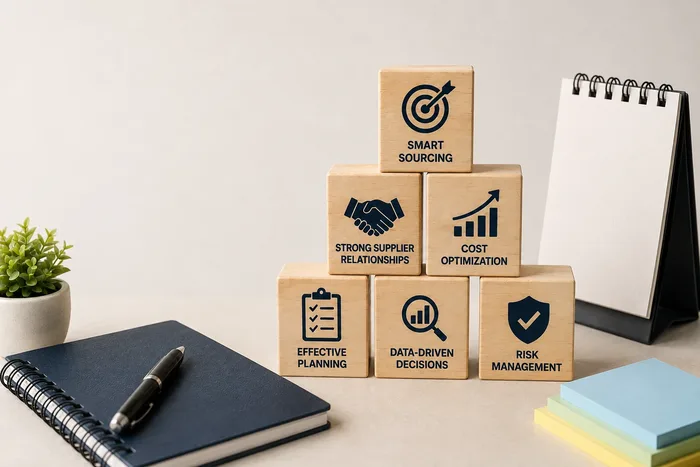
For small and medium-sized enterprises (SMEs), procurement is a critical function that can directly impact operational efficiency, cost control, and overall competitiveness. However, many SMEs struggle to implement effective procurement strategies, often due to limited resources or a lack of specialized expertise. By adopting the right approaches and leveraging modern technology, SMEs can streamline their procurement processes and gain a significant edge in today’s competitive landscape.
Building Strong Supplier Relationships
One of the most valuable strategies for SMEs is to focus on building strong, long-term relationships with reliable suppliers. Unlike larger organizations with vast supplier networks, SMEs benefit from cultivating a core group of trusted suppliers who can provide competitive pricing, quality products, and consistent delivery.
Procurement software, such as procurEngine, enables SMEs to effectively manage supplier relationships through tools that track performance, monitor contract compliance, and foster open communication. By maintaining a clear line of communication and setting performance expectations early on, SMEs can reduce risks, minimize delays, and ensure smooth operations across the supply chain.
Leveraging Automation
While procurement can often be a manual and time-consuming task for SMEs, the adoption of procurement software can drastically reduce administrative burdens. By automating tasks such as purchase order generation, approval workflows, and invoice matching, SMEs can free up valuable resources to focus on strategic growth initiatives.
Automation also helps SMEs prevent common errors, such as duplicate orders or incorrect payments, that can lead to unnecessary costs. Additionally, procurement platforms provide real-time data and insights, allowing businesses to track spending patterns, identify savings opportunities, and make data-driven decisions with ease.
Understanding Total Cost of Ownership
When making purchasing decisions, many SMEs tend to focus on the initial price of goods or services. However, the true cost of procurement goes beyond the purchase price - shipping fees, maintenance, and operational costs also need to be considered. This is where the concept of Total Cost of Ownership (TCO) comes into play.
By evaluating TCO, SMEs can make more informed procurement decisions that lead to long-term savings. For example, a cheaper supplier may offer lower prices, but higher shipping costs or inconsistent quality could increase expenses over time. Procurement software helps SMEs analyze TCO by aggregating all relevant cost factors, ensuring that purchasing decisions are made with a holistic view.
Optimizing Procurement for Sustainable Growth
For SMEs, adopting strategic procurement practices is essential to maintaining a competitive edge in today’s fast-paced market. By prioritizing supplier relationships, leveraging automation, and focusing on Total Cost of Ownership, SMEs can optimize their procurement processes and drive sustainable growth. As the procurement landscape continues to evolve, small and medium-sized businesses that embrace technology like procurEngine will be well-positioned to thrive in the years ahead.
About the Author
Puneesh Lamba is a contributor to the procurEngine blog, writing on procurement strategy, digital transformation and supplier negotiation.